
Rethinking How Hospitals Measure Behavioral Health Success
Hospitals that see improved long-term results in behavioral health patients will be those that prioritize metrics aligned with their care pathways.
Hospitals that see improved long-term results in behavioral health patients will be those that prioritize metrics aligned with their care pathways.

The future of social security depends on the strength of our collaboration and our unwavering commitment to the people we serve. The challenges are significant, but so are the opportunities for innovation.

Enterprise EHR boosts scalability, interoperability, and governance for large healthcare systems.

The future of hospital operations will be defined not by who has the most AI, but by who can turn AI into consistent, reliable operational outcomes.

Outcomes are no longer a nice-to-have or a post-hoc justification for care provided. They are a central currency of care in a system that’s shifting faster than ever toward accountability.

A new initiative from the Digital Medicine Society aims to replace outdated mental health questionnaires with a set of shared digital measures that track things like patients’ sleep, activity and speech. By relying on real-time, quantitative insights, the project seeks to set a data-driven standard for evaluating the effectiveness of mental health treatments.

The CMS vision is ambitious, but so is the potential for rehab therapy to shape its execution. To do that, providers must actively engage, document their impact, and advocate for their inclusion in evolving models of care.


We have the opportunity to design systems that give people greater capacity for the work where human presence matters most: listening, understanding, reassuring, deciding, and caring.

Deploying a robust continuous improvement methodology is especially beneficial in the earliest phases of drug development. It can help ensure the delivery of high-quality, reliable, timely bioanalytical and clinical data to make informed decisions about either moving on to the next drug development milestone or pivoting to another strategy.

Many companies are entering the digital youth mental health space, but it's important to know which ones are effective, according to a panel of investors at the Behavioral Health Tech conference.

Ransomware attacks had an impact beyond mortality rates as well, with 71% of respondents saying that these cyberattacks drove up lengths of stay and 36% saying they led to an increase in clinical complications.

The senior care provider currently operates 34 medical centers offering healthcare and social services, like transportation. Through the collaboration, the companies will bring more seniors into value-based arrangements with the goal of improving outcomes for Anthem patients.

By reducing administrative burden and redesigning workflows around human needs, it creates space for what matters most: connection between clinicians and patients.

Co-led by Kaiser Permanente, the Series D financing round will enable OM1 to expand its data networks into chronic disease areas, including rheumatology and behavioral health, and advance its AI analytics models.

America's abysmal record on maternal care outcomes and equity has spurred the rise of startups as well as innovative strategies from providers and payers, each trying to solve a piece of the larger problem. But these entities will also need the help of policymakers to truly improve care in this arena.

Hospitals acquired by PE firms tend to have higher operating margins than those that are not acquired — and that gap widens over time, a new study shows. But it is too early to say whether these glowing financial figures equate to better support for clinical care.

The Missouri-based health system and payer have entered into a new cooperative care agreement that aims to reduce costs while improving both outcomes and patient experience. The agreement includes a closer alignment between clinical care and reimbursement as well as increased data flow between Mercy and Anthem.
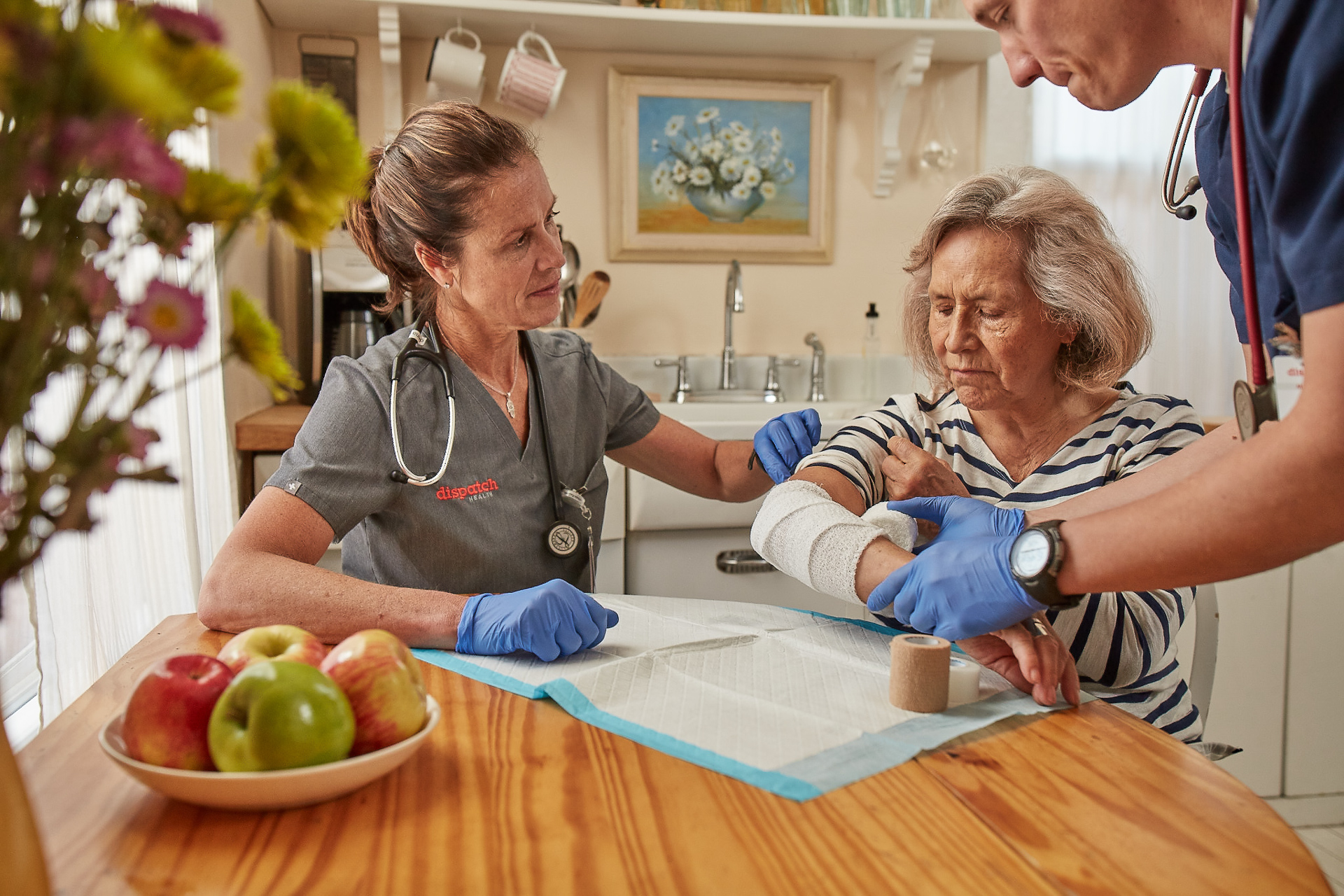
Amid the Covid-19 pandemic and a growing interest in at-home care, DispatchHealth has published new data showing that its hospital-at-home program did not result in unexpected deaths, serious adverse events or patients being subsequently admitted to a skilled nursing facility.